The eruptions of Vesuvius after Pompeii
AD 79 was not the last time. From ash reaching Constantinople in 472 to the great eruption of 1631 and the American bombers destroyed in 1944: the eruptions that made history.
3 min read Updated October 18, 2026
In short
- After AD 79 Vesuvius erupted many more times: among the most important were 472, 1631, 1794, 1872, 1906 and 1944.
- The 1631 eruption was the most destructive of the modern era: more than 5,000 deaths.
- 1944 closed a cycle of almost continuous activity that had begun in 1631.
Pompeii made Vesuvius famous, but AD 79 is only the best-known chapter. Over the following centuries the volcano woke up many times, and some eruptions changed the history of the towns at its foot.
472: ash over Constantinople
Chronicles of the late Empire tell of an eruption so strong that its ash reached Constantinople, more than a thousand kilometres away. It is traditionally dated to AD 472. Archaeologists find its deposits at several sites in Campania, but we know little about the damage or the victims.
1631: waking after five centuries
After almost five centuries of rest, on the morning of 16 December 1631 Vesuvius woke suddenly, after days of earthquakes. Pyroclastic flows and mudflows devastated the towns between Pollena and Torre Annunziata: according to Italy’s Civil Protection Department, more than 5,000 people died. It is the eruption today’s emergency plan uses as its reference.
From then on Vesuvius hardly stopped: for more than three centuries it was frequently active, with lava flows, explosions and periods of relative calm.
1794: lava over Torre del Greco
In June 1794 a lava flow ran down to the sea and through Torre del Greco, destroying much of the town. The residents did not abandon it and rebuilt it, partly on top of the cooled lava.
1872: the scientist who stayed at his post
In April 1872 lava flows reached the villages of Massa and San Sebastiano, destroying homes and fields. At the Vesuvius Observatory, surrounded by lava and engulfed by heat and ash, its director Luigi Palmieri stayed at his post for days, recording the eruption with his instruments; his account was translated and read across Europe.
1906: the eruption and the Olympics
The eruption of April 1906 was one of the strongest of the twentieth century: more than a hundred people died, many when roofs collapsed under the weight of ash. Rome, due to host the 1908 Olympics, withdrew that same year and the Games went to London. The eruption is often given as the reason; some historians, however, think the government had already decided not to fund the Games and that Vesuvius was mostly a convenient explanation.
1944: the last eruption
The last eruption began on 18 March 1944, while Naples was under Allied occupation. Lava flows reached San Sebastiano al Vesuvio and Massa di Somma; falling ash and lapilli brought down roofs and caused a few dozen deaths.
Near Terzigno, at the military airfield known as Pompeii Airfield, a group of American B-25 bombers was based. Hot ash and stones burned the fabric surfaces, cracked the glazing and bent the wings: estimates put the number of aircraft destroyed at 78 to 88, more than the enemy had shot down. No airman was killed.
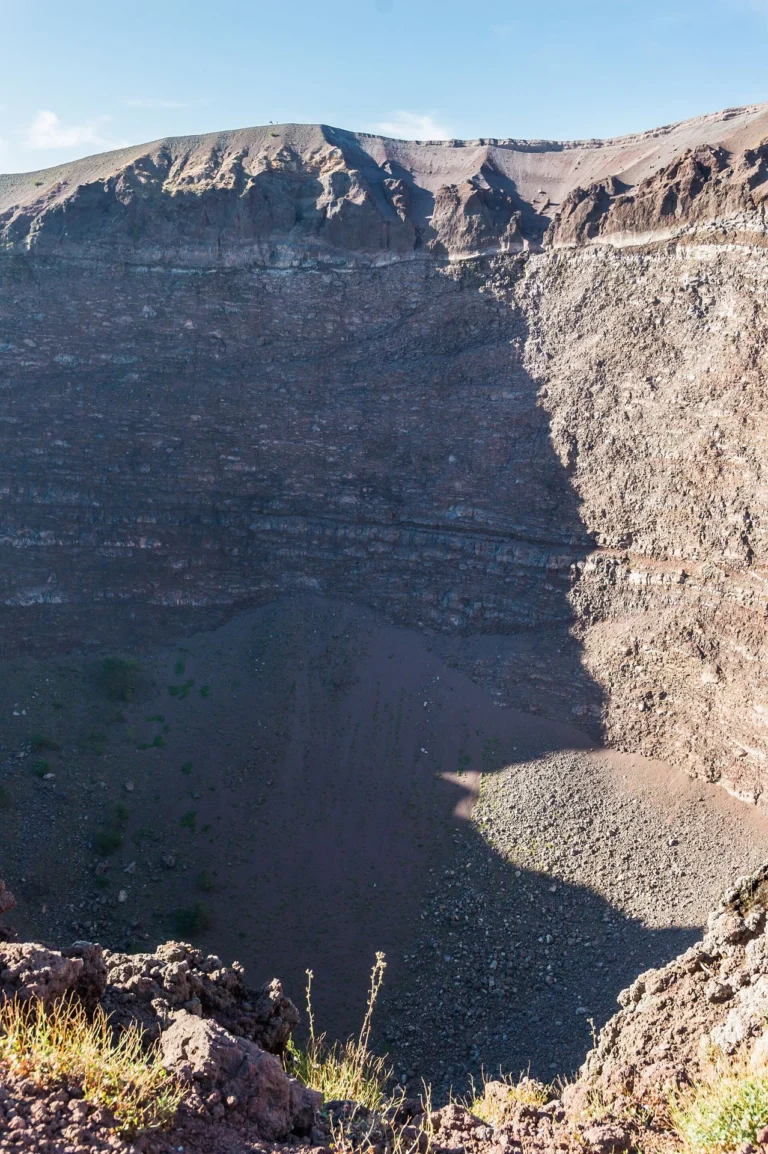
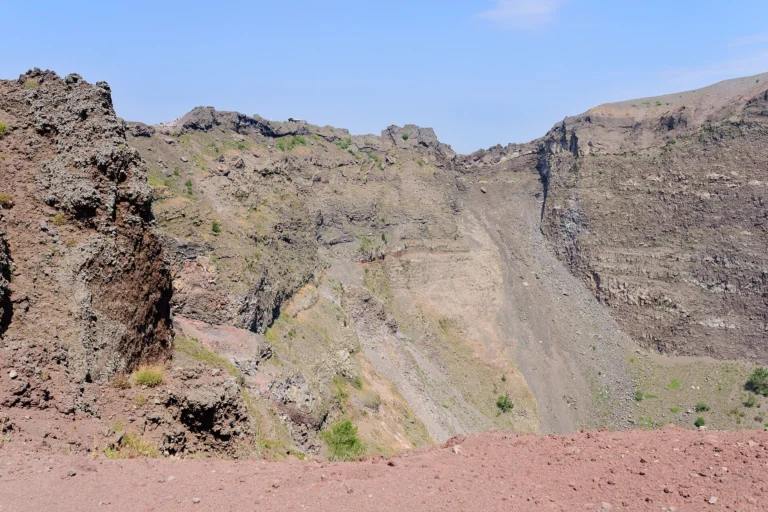
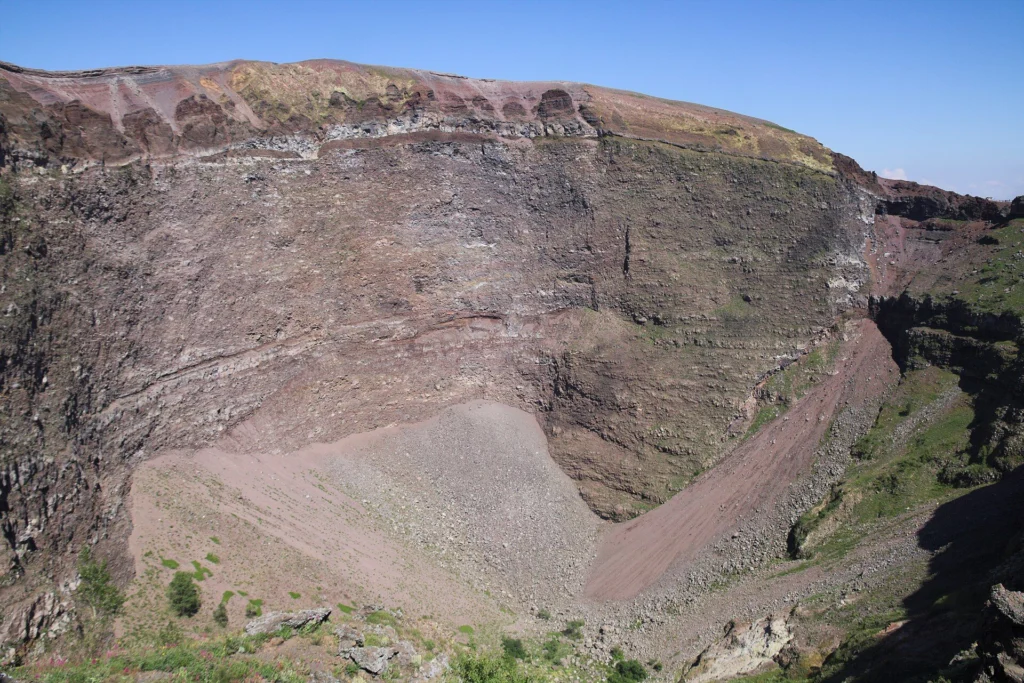
With 1944 the volcano’s vent closed and Vesuvius entered the rest that continues today. The crater you see from the rim is the one that eruption left behind.