The eruption of AD 79: what happened to Pompeii and Herculaneum
Two days that wiped out four Roman towns and preserved them for us: how the eruption unfolded, Pliny the Younger’s eyewitness account and the debate over the date.
3 min read Updated October 21, 2026
In short
- In AD 79 Vesuvius buried Pompeii, Herculaneum, Stabiae and Oplontis. The eruption lasted about two days.
- The only eyewitness whose words survive is Pliny the Younger, who watched it from Misenum.
- The traditional date is 24 August; an inscription found at Pompeii in 2018 points to the autumn.
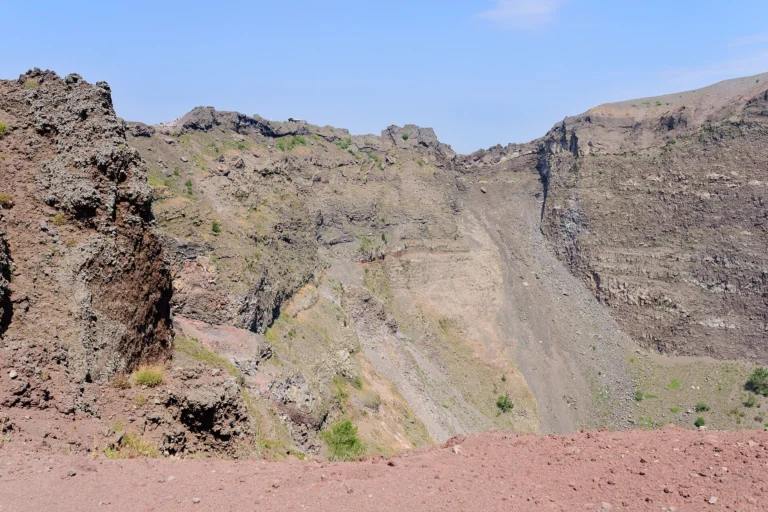
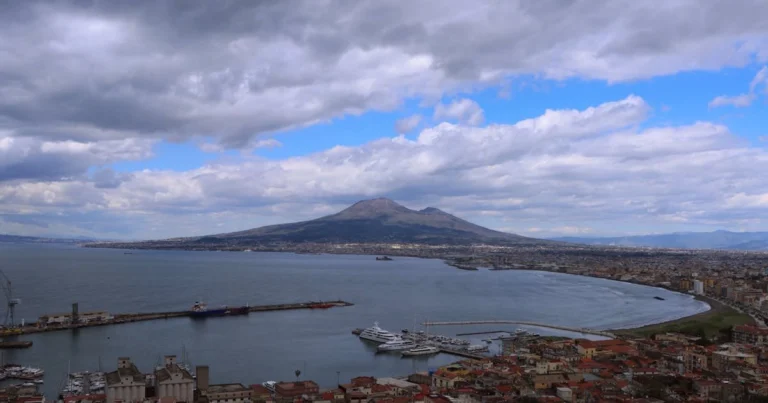
Before AD 79 Vesuvius did not look like a volcano. The Romans knew it as a mountain covered in vineyards, and the towns at its foot, Pompeii, Herculaneum, Stabiae and the villas of Oplontis, were wealthy, busy places overlooking the bay. Nobody remembered an eruption.
There had been warnings, though. In AD 62 (or 63: ancient sources disagree) a strong earthquake damaged Pompeii, and when the eruption came many buildings were still being repaired.
The column of ash
The eruption began in the early afternoon with an explosion that pushed a column of gas, ash and pumice tens of kilometres into the sky. Pliny the Younger, seventeen at the time and staying at Misenum across the bay, compared it to a pine tree: a tall trunk that spread out into branches at the top. Volcanologists still call this kind of eruption after him: Plinian.
For hours, pumice and lapilli rained down on the south-east side of the volcano. In Pompeii the layer grew until roofs collapsed; those who stayed indoors looked for shelter, those who fled walked under a hail of light stones with pillows tied to their heads, as Pliny describes.
The burning clouds
During the night and the next morning the column collapsed. Clouds of extremely hot gas and ash, pyroclastic flows, raced down the slopes faster than anyone could run. Herculaneum, on the sea to the west of the volcano, was hit first; then came Pompeii’s turn. Those who had survived the pumice fall died within moments.
The two towns were buried in different ways: Pompeii under a few metres of pumice and ash, Herculaneum under a much thicker blanket of material that cooled into something close to rock. We tell that story in Herculaneum and Pompeii: two towns, two fates.
Pliny the Younger’s account
Everything we know from an eyewitness comes from two letters Pliny the Younger wrote, some twenty-five years later, to the historian Tacitus. The first tells how his uncle, Pliny the Elder, naturalist and commander of the fleet at Misenum, sailed out to help people along the coast and died on the beach at Stabiae. The second describes his own escape from Misenum with his mother, in the darkness of the ash.
They are remarkably precise: the tremors, the sea drawing back, the black cloud descending over the bay. Scientists still use them to reconstruct the phases of the eruption.
August or October?
The date in the history books, 24 August, comes from medieval manuscripts of Pliny’s letters. But the manuscripts do not all agree, and for years finds from the excavations had suggested a cooler season: autumn fruit, braziers, new wine in the large storage jars.
In 2018, in the Regio V excavations at Pompeii, archaeologists found a charcoal inscription on the wall of a house being redecorated. It is dated the sixteenth day before the calends of November, that is 17 October. It gives no year, but charcoal is fragile and would hardly have lasted long, so many scholars think it was written a few days before the eruption and propose 24 October AD 79. The question is not entirely settled.
After the disaster
The towns were never rebuilt and their names were forgotten for centuries. Bourbon excavations began at Herculaneum in 1738 and at Pompeii ten years later. In 1863 the archaeologist Giuseppe Fiorelli had the idea of pouring plaster into the hollows the victims’ bodies had left in the ash: these are the casts still seen at Pompeii today.
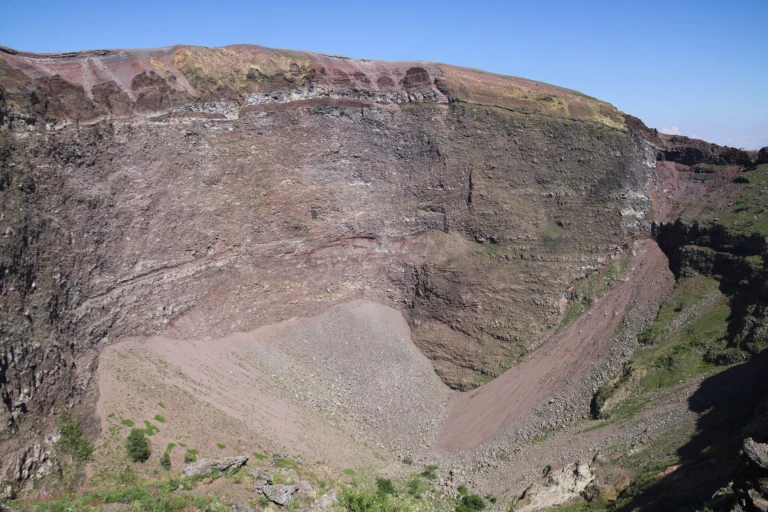
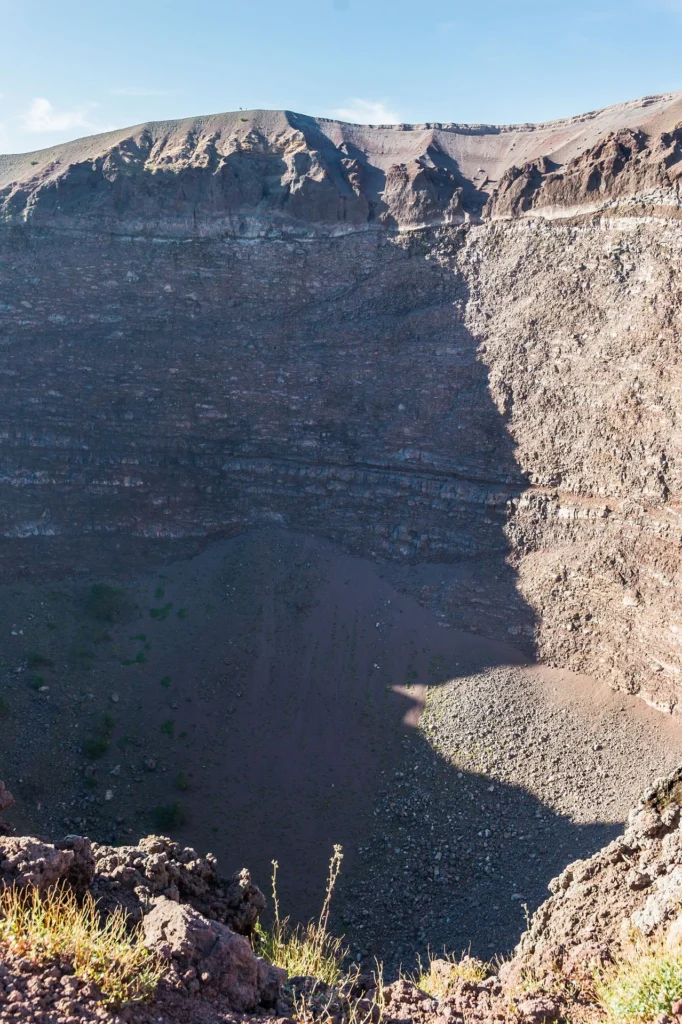
Since 1997 Pompeii, Herculaneum and Oplontis have been a UNESCO World Heritage Site. And the volcano that destroyed them can be climbed to the rim of its crater, starting from Herculaneum itself.